

Are Black Americans Native to America? Exploring History, Identity, and the Rise of Native-Inspired Footwear
The Conversation That's Got Everybody Talking
If you've been on YouTube, TikTok, or any corner of Black social media lately, you've probably seen it, heated debates, passionate threads, and a whole movement of people saying something that challenges everything we were taught in school: Black people didn't all come from Africa. Some of us were already here.
Now, before you click away or roll your eyes, hear me out. This isn't about denying our African roots or disrespecting the ancestors who survived the Middle Passage. This conversation is about asking deeper questions. It's about looking at the history we were given and asking, is this the whole story?
And whether you fully agree with the premise or not, one thing is undeniable: this discussion is sparking a cultural shift. People are reconnecting with heritage, reclaiming identity, and yeah: it's even showing up in what we're putting on our feet.
Let's break it down.
Where This Idea Comes From: Books, Research, and Oral History
This isn't just internet talk. There are actual scholars, historians, and writers who've been documenting the deep, intertwined history of Black and Native peoples on this land for years. If you're serious about understanding where this premise comes from, here are some books you need on your shelf:
-
"An Afro-Indigenous History of the United States" by Kyle T. Mays – This one rewrites the American narrative by centering Black and Native experiences together. Mays shows how our histories aren't separate: they're woven.
-
"I've Been Here All the While: Black Freedom on Native Land" by Alaina E. Roberts – Roberts digs deep into the history of Black communities in Indian Territory, especially the Freedmen who became part of the Five Tribes after emancipation.
-
"We Refuse to Forget" by Caleb Gayle – This book focuses on the Creek Freedmen and how their story of citizenship, belonging, and erasure mirrors so much of what Black folks experience today.
Beyond these, curated lists from Essence ("6 Books That Highlight Black And Native Stories") and NDN Collective ("10 Books by Black and Afro-Indigenous Authors") offer even more reading to expand your understanding.
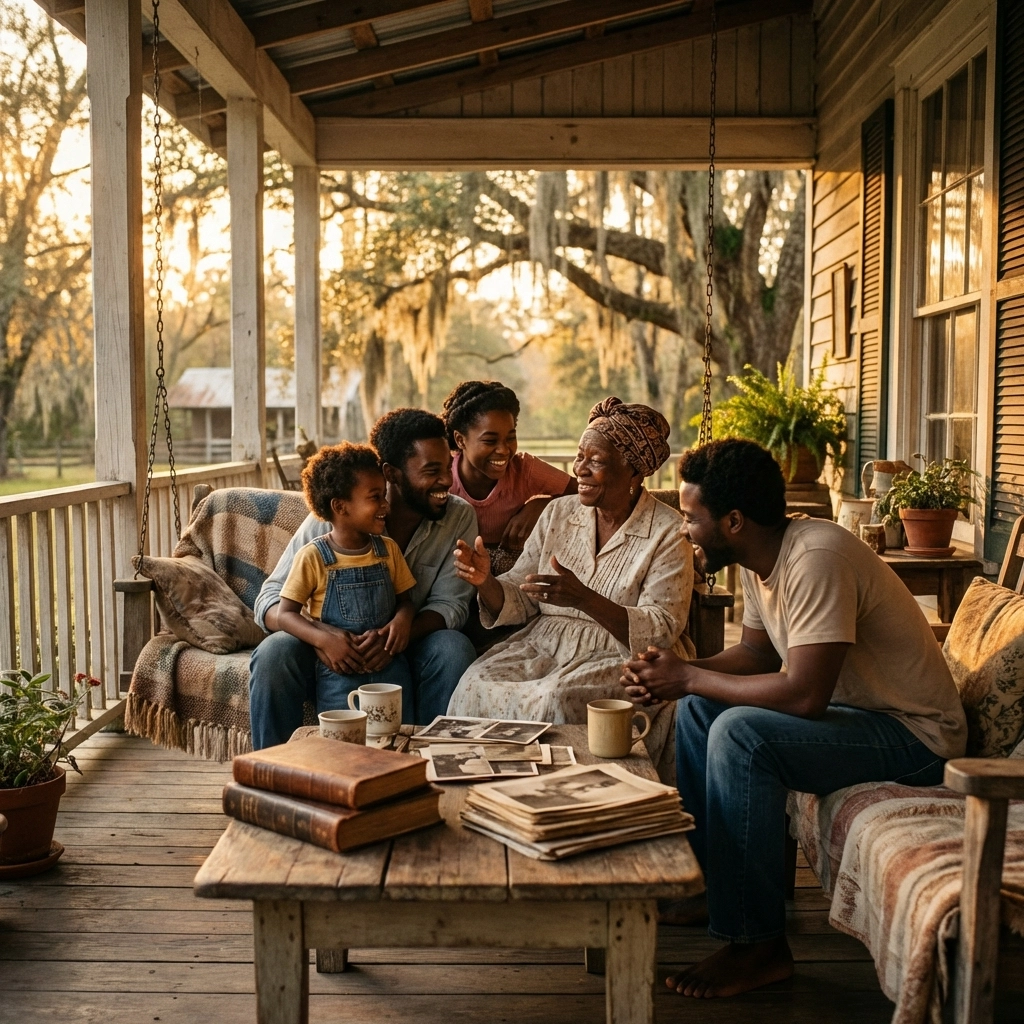
The point is: this conversation didn't come out of nowhere. It's rooted in documented history, family oral traditions, and a growing body of scholarship that refuses to let these stories stay buried.
The Historical Facts: What We Actually Know
Let's get into some facts, because facts matter.
Mainstream scholarship says the majority of Black Americans descend from Africans brought to this land through the transatlantic slave trade. That's documented. That's real. And honoring those ancestors is sacred.
But here's what's also documented:
-
Approximately 5 percent of African Americans have at least 12.5 percent Native American ancestry: meaning at least one great-grandparent was Native American. And many more have Native ancestry that was never officially recorded.
-
Enslaved Africans frequently escaped plantations and found refuge among Native tribes, particularly in the Southeast. These weren't just temporary hideouts: people built lives, married, had children, and became part of these communities.
-
Native peoples participated in the Underground Railroad, offering shelter and assistance to those fleeing bondage.
-
The Black Seminoles: Gullah people who escaped rice plantations in South Carolina: joined the Seminole Indians in Florida and Oklahoma. In the Everglades, self-emancipated Africans and displaced Indigenous peoples built settlements together, forming what eventually became the modern Seminole Tribe.
-
After the Civil War, the Freedmen: Black people formerly enslaved by the Five Civilized Tribes (Cherokee, Chickasaw, Creek, Seminole, and Choctaw): received treaty rights recognizing them as tribal citizens.
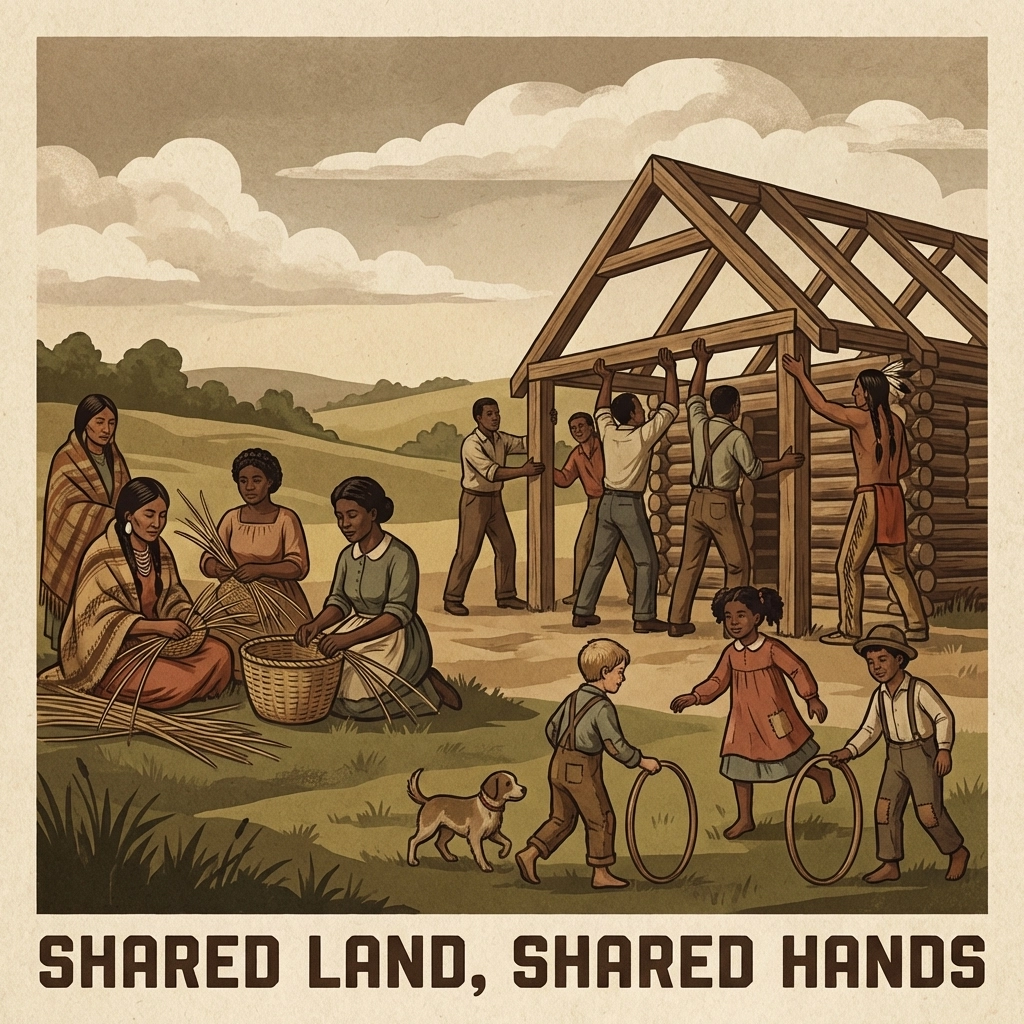
Here's the uncomfortable truth: racial categories were imposed on our ancestors in ways designed to divide and control. Some individuals documented as "full-blooded Indian" on official rolls were later reclassified as "Negro" in census records simply because of their skin color. Darker-skinned Native people had their Indigenous identity erased with the stroke of a pen.
Before colonization, many tribes didn't operate on blood quantum. If you lived among the people long enough, you were the people. Identity was about community, not percentages.
What This Means for Culture and Fashion
So what happens when a community starts reclaiming a narrative? It shows up everywhere: in music, in art, in language, and yes, in fashion.
Scroll through Instagram or TikTok and you'll see it: Black creators rocking moccasin-style footwear, incorporating beadwork aesthetics, embracing earth tones and natural materials. It's not costume. It's not appropriation. For many, it's a statement of identity: a visual declaration that says, "My roots run deeper than what they told me."
This trend toward Native American-inspired footwear isn't just about looking fly (though it does). It's about:
- Reconnecting with heritage that was hidden or erased
- Honoring the blended history of Black and Native peoples
- Rejecting the boxes that were drawn around our identity
- Expressing pride in a lineage that's complex and beautiful
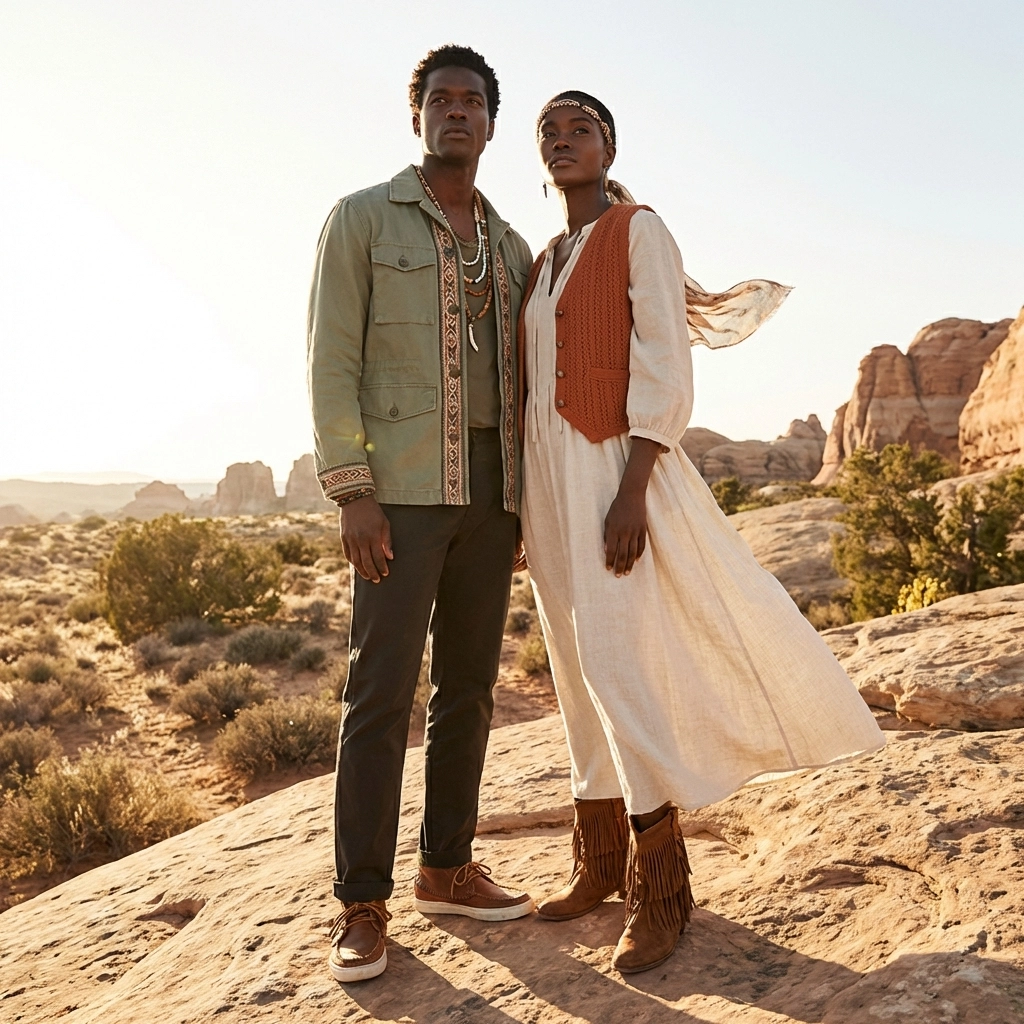
Whether it's the soft curves of a moccasin silhouette, the earthy palette of terracotta and sage, or the intricate patterns inspired by tribal beadwork: this aesthetic is catching fire because it means something.
Where Nagast Footwear Fits In
At Nagast Footwear, we've always been about more than shoes. We're about story. We're about roots. We're about giving our people footwear that carries meaning with every step.
Our name honors African heritage: Nagast, as in the glory of Ethiopian royalty. But we've never believed identity is a single thread. It's a tapestry. And right now, that tapestry is being rewoven by a community hungry to understand itself more fully.
That's why we stand at the intersection.
We celebrate:
- African heritage: the undeniable foundation of Black American culture
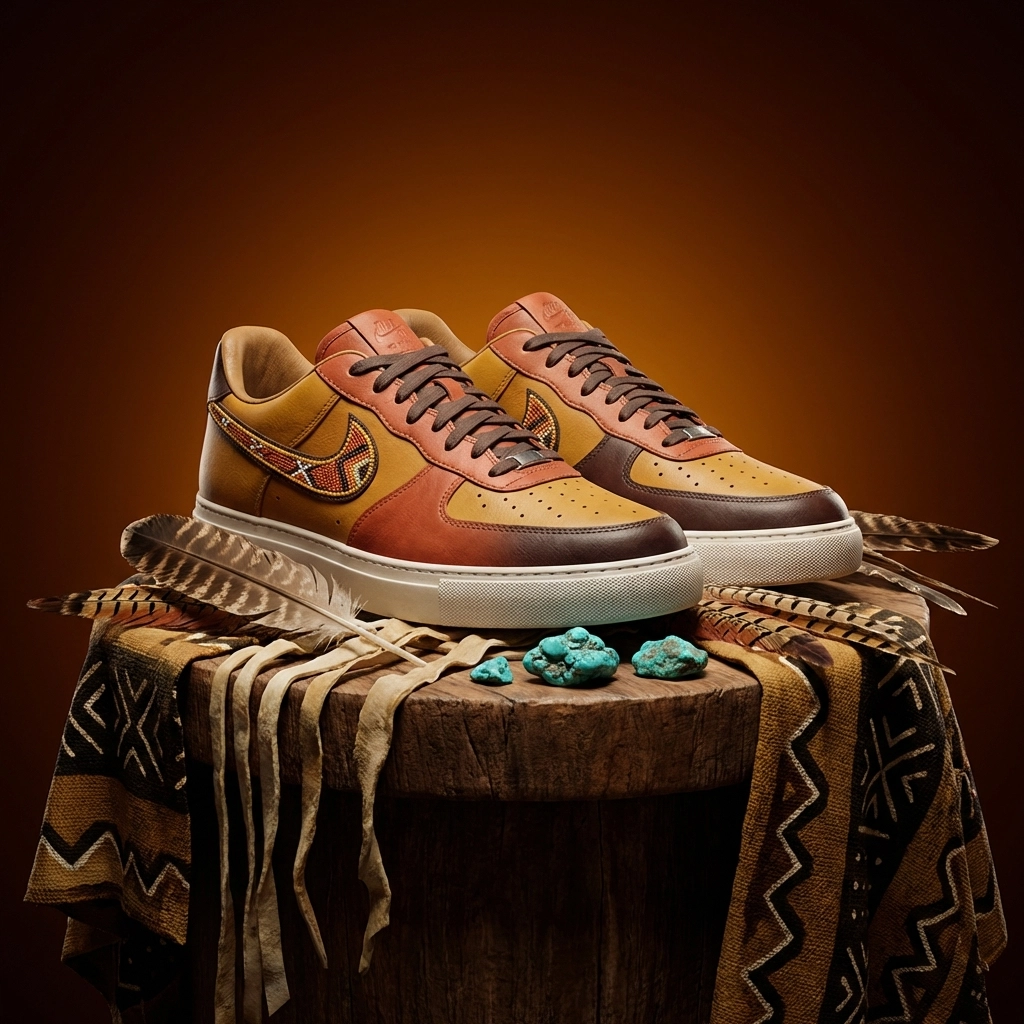
- Native-inspired elements: the earth tones, the craftsmanship, the connection to this land
- Authenticity: designs that aren't about trends, but about truth
- Community: because this conversation belongs to all of us
When you rock Nagast, you're not just wearing a shoe. You're wearing a statement. You're saying, "I honor where I come from: all of it."
Check out our latest collection and see how heritage meets the streets.
The Bigger Picture: Why This Matters
Look, not everyone agrees on this topic. Some folks think claiming Native identity without tribal enrollment is disrespectful. Others feel the mainstream narrative about our origins has been incomplete at best, deliberately distorted at worst. And honestly? Both perspectives deserve space at the table.
What matters most is this: Black people are asking questions. We're digging into archives, reading books, listening to elders, and refusing to accept a history that was handed to us by people who didn't have our best interests at heart.
That's powerful.
And whether your DNA test says you're 100% West African or shows a significant Native percentage: or whether your family has always told stories about "Indian in the bloodline": your journey to understand yourself is valid.
Key Takeaways
- The conversation about Black Americans being Native to this land is real and growing, fueled by books, historical research, and oral traditions.
- Documented history shows deep connections between Black and Native peoples: through refuge, intermarriage, the Freedmen, and shared resistance.
- Mainstream scholarship emphasizes African ancestry via the slave trade, and that history remains foundational and sacred.
- This identity exploration is influencing fashion, with Native-inspired footwear trending as an expression of heritage and pride.
- Nagast Footwear embraces this moment, standing at the crossroads of African and Native-inspired cultural pride: because our roots are complex, and our shoes should reflect that.
The story isn't finished being written. And neither are we.
Ready to walk in your truth? Explore Nagast Footwear and find your next pair at nagastfootwear.com.
#FBA #ADOS #IndigenousRoots #BlackNative #NativeHistory #NagastFootwear #CulturalHeritage #StreetwearCulture