

Red, Black, and Green Sneakers Explained: Why These Colors Matter (And Where to Buy Authentic Pairs)
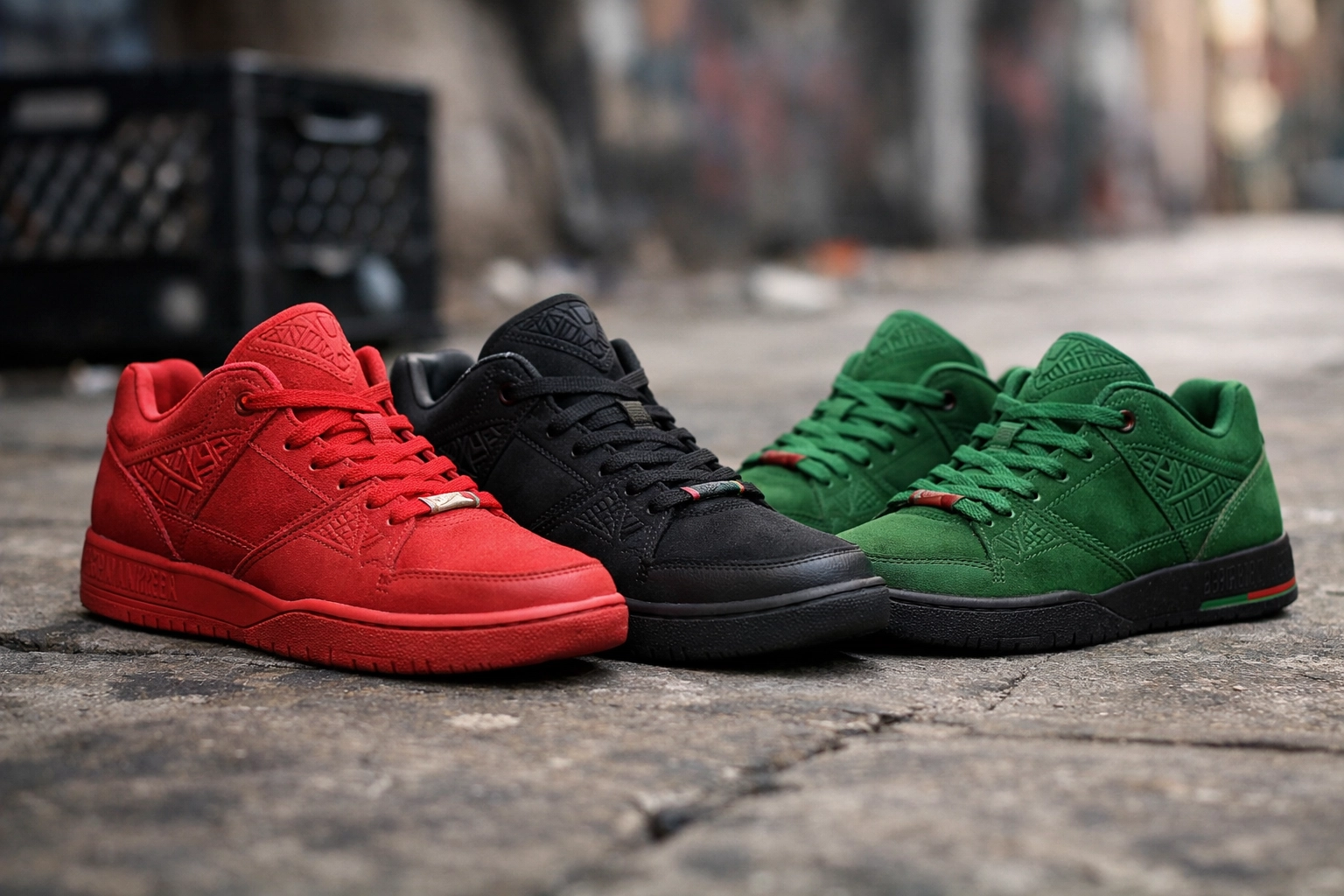
You've seen them everywhere: red, black, and green sneakers making statements on the streets, at protests, and at family cookouts. But these aren't just random color combinations someone thought looked cool. These three colors together tell a story that goes back over a century, a story of resistance, pride, and the reclaiming of our identity.
When you lace up red black and green sneakers, you're not just putting on shoes. You're wearing a legacy on your feet.
The Origin Story: Marcus Garvey and the Birth of a Movement
Let's take it back to 1920. Marcus Garvey, a visionary who saw our potential when the world tried to convince us we had none, established the Universal Negro Improvement Association (UNIA). He knew that for our people to rise, we needed symbols that united us: symbols that spoke to our past, our present, and the future we were building.
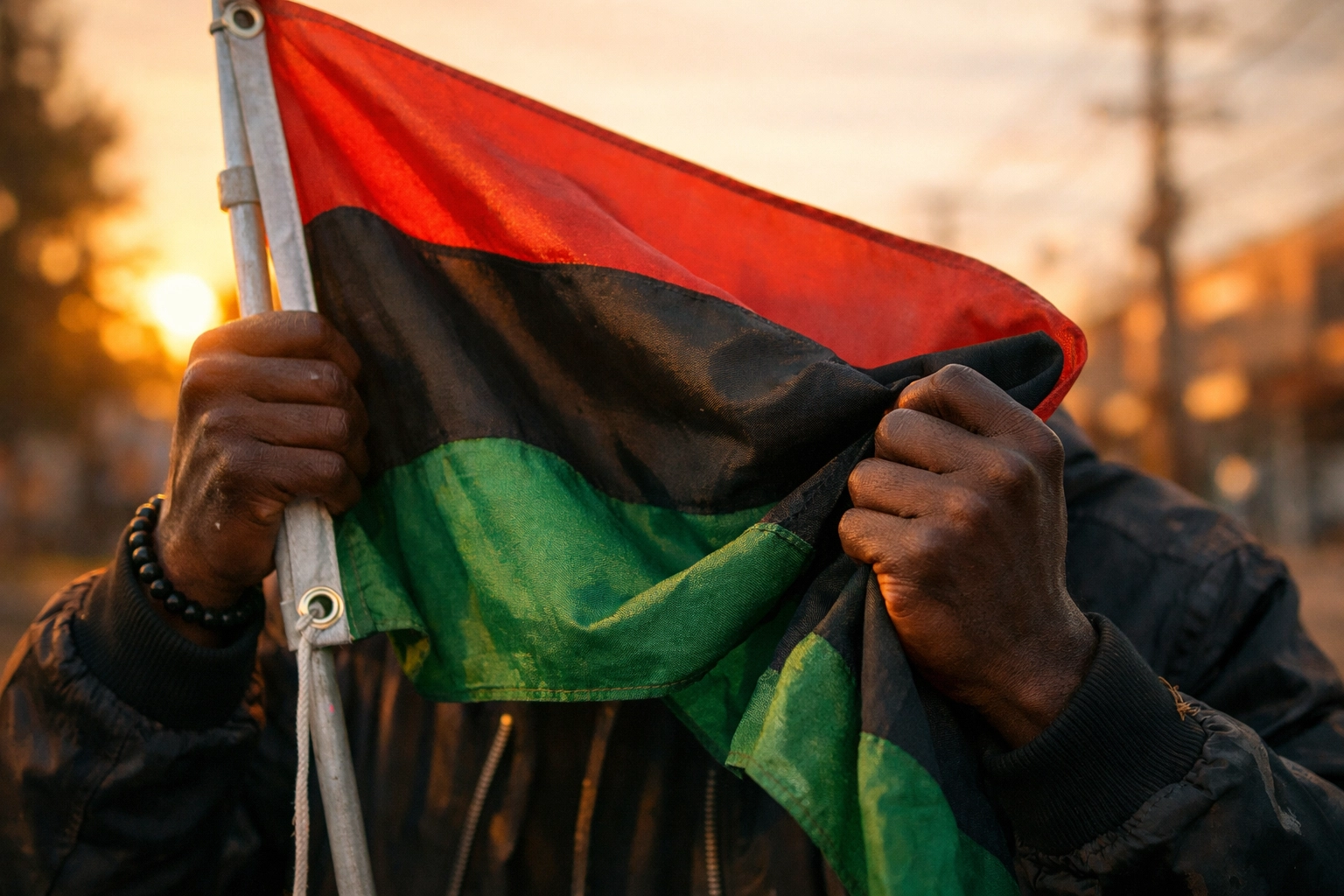
The red, black, and green flag became that symbol. Garvey wasn't just creating a flag; he was creating an identity separate from the oppression and erasure we'd faced for centuries. These colors became the Pan-African flag, representing every Black person across the diaspora: from Harlem to Haiti, from Lagos to London.
And today? Those same colors show up on everything from dashikis to sneakers, reminding us who we are and where we come from.
Breaking Down the Colors: What Red, Black, and Green Really Mean
Each color in this trinity carries weight. They're not decorative: they're declarative.
Red: The Blood We've Shed
Red represents the blood of our ancestors. The blood spilled during the Middle Passage. The blood shed fighting for freedom, whether on plantations or in the streets of Selma. The blood that runs through our veins today, connecting us to everyone who came before.
When you wear red, you're acknowledging that our existence today came at a cost. It's a tribute to the sacrifices made so we could walk in a world that tried to break us but couldn't.
Black: Our People
Black represents us: our skin, our culture, our beauty, our strength. For too long, darkness was associated with negativity, while whiteness was associated with purity. The Black in this flag flips that script entirely.
This color says we're proud of our melanin. We're proud of our features, our hair, our heritage. Black isn't something to run from: it's something to run toward. It's who we are, unapologetically.
Green: The Wealth of Our Motherland
Green represents the natural wealth and fertility of Africa: the land from which we all came. It's about the resources, the richness, the abundance of the continent that colonizers tried to strip bare.
But green also represents growth, renewal, and the prosperity we're reclaiming. It's forward-looking. It says we're not just surviving; we're thriving and building generational wealth on our own terms.
Why These Colors Matter in Sneaker Culture
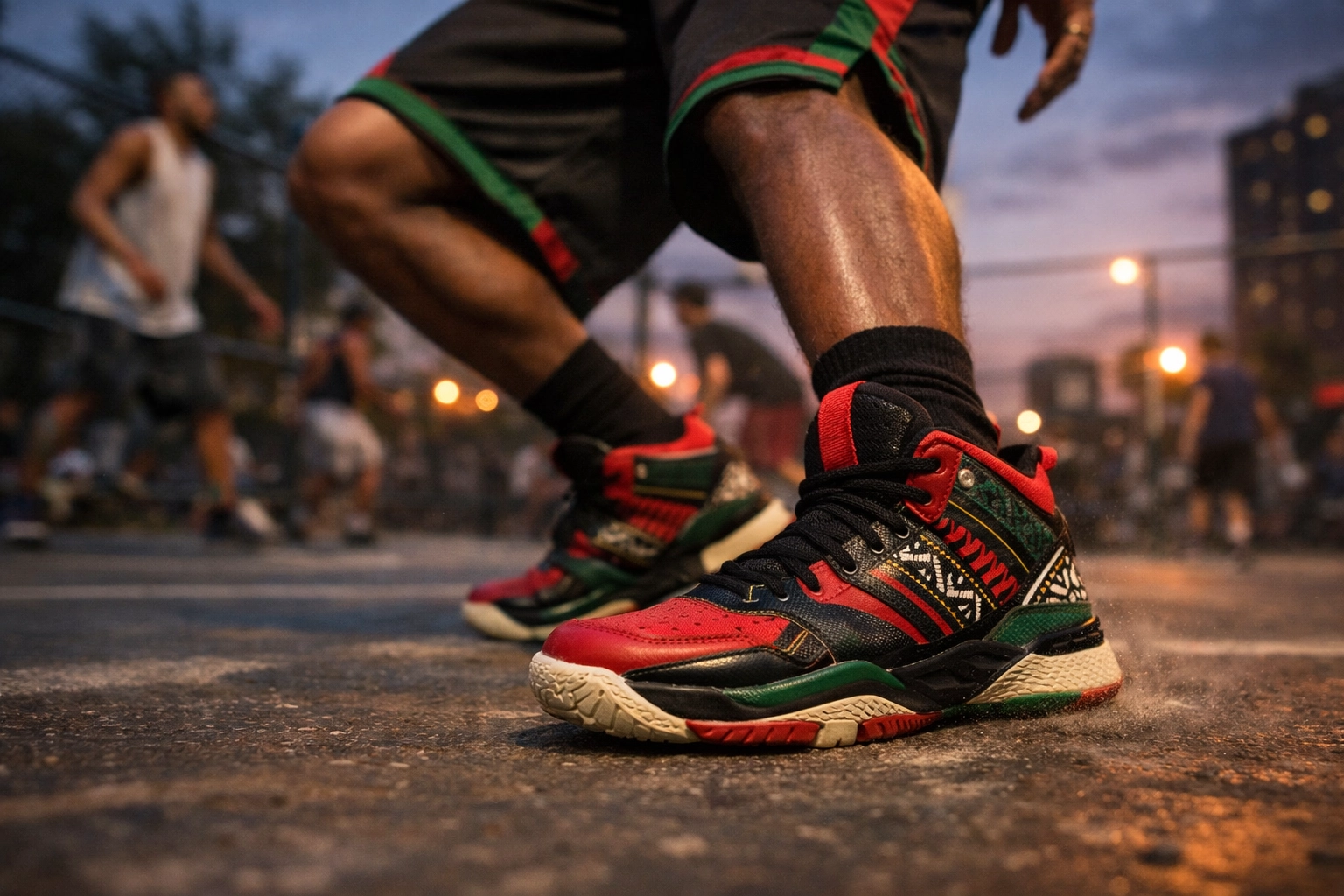
Sneaker culture and Black culture have always been intertwined. We took something functional and turned it into art, status, and self-expression. From Run-DMC's Adidas to Jordan's Nike empire, sneakers became our canvas.
Red black green sneakers take that connection deeper. They're not just fashion: they're a statement of consciousness. When you wear these colors on your feet, you're telling the world:
- You know your history
- You're proud of your heritage
- You stand in solidarity with the diaspora
- You support Black-owned businesses and Black excellence
In a sneaker industry dominated by corporate giants who profit off our culture but rarely reinvest in our communities, choosing red, black, and green is an act of resistance. It's choosing to align your dollars with your values.
The Problem with Mainstream Sneaker Brands
Let's keep it real for a second. The big sneaker companies love our culture. They love our style, our creativity, our influence. They'll put our faces on billboards and pay athletes millions to wear their shoes.
But when it comes to ownership, decision-making power, and where the profits go? That's a different story.
Most mainstream brands:
- Don't have significant Black ownership
- Rarely feature Black designers in leadership roles
- Use our culture for marketing without genuine investment in our communities
- Mass-produce products with little connection to our heritage
This isn't about boycotting everything: it's about making conscious choices when you can. It's about recognizing that every dollar you spend is a vote for the world you want to see.
Why Black-Owned Sneakers Hit Different
When you buy from Black-owned sneaker brands, you're doing more than getting fresh kicks. You're:
Supporting Economic Empowerment: Your money circulates within the community, creating jobs and building wealth for Black families.
Preserving Authentic Culture: Black-owned brands understand the significance of symbols like red, black, and green because it's our story to tell, not a marketing department's interpretation of it.
Getting Quality and Intention: These aren't mass-produced shoes designed by focus groups. They're crafted with purpose, often with better attention to detail and cultural authenticity.
Building Legacy: Supporting Black businesses today means our children will grow up seeing more Black ownership, more Black excellence, and more options that reflect who we are.
Where to Find Authentic Red Black and Green Sneakers
Finding authentic black owned sneakers that honor the Pan-African colors requires knowing where to look. You want brands that understand the cultural weight of these colors, not companies that just threw red, black, and green together because it looked trendy.
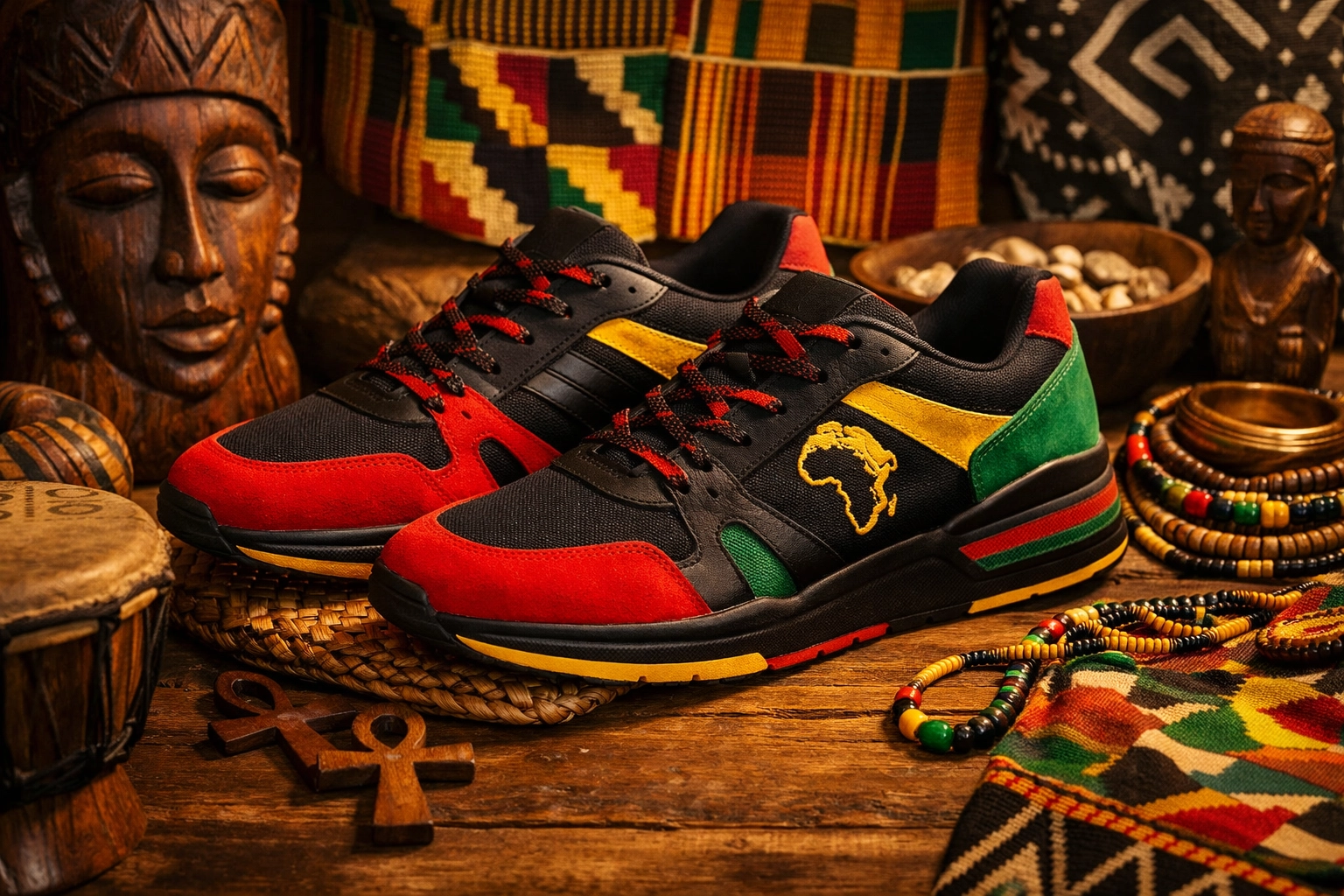
At Nagast Footwear, the commitment to these cultural roots isn't a gimmick: it's foundational. The name itself comes from "Negus," meaning royalty in Amharic, connecting directly to Ethiopian heritage and African sovereignty. Every design choice reflects an understanding that sneakers can be both fire and meaningful.
When you're shopping for red black green sneakers, look for:
- Black ownership: Who profits from your purchase?
- Cultural authenticity: Does the brand understand what these colors represent, or are they just capitalizing on a trend?
- Quality craftsmanship: Are these shoes built to last, or are they cheaply made for a quick buck?
- Community investment: Does the brand give back or support causes that uplift Black communities?
Nagast checks all these boxes. Their collections feature designs that center African pride and Pan-African unity, from the Africa Pride collection to pieces celebrating Black leaders.
Wearing Your Heritage with Pride
Red, black, and green sneakers aren't for everyone. They're for people who understand that style and substance can coexist. They're for people who want their footwear to reflect their values. They're for people who refuse to separate fashion from the fight for liberation and economic justice.
When you wear these colors, you're walking in the footsteps of Garvey, Malcolm, Garvey, and countless others who understood that pride in self is the first step toward freedom. You're making your feet a billboard for something bigger than yourself.
And in a world that constantly tries to erase our contributions and dilute our culture, that kind of visibility matters.
The Takeaway
Red, black, and green aren't just colors: they're a movement, a mindset, and a reminder of who we are. When you choose red black and green sneakers, especially from black owned sneaker brands, you're making a statement that goes beyond fashion.
You're saying you remember. You're saying you're proud. You're saying you're conscious of where your money goes and what your choices support.
Marcus Garvey gave us these colors as a symbol of unity and power. Now, over a century later, we continue that legacy: one step, one purchase, one conscious choice at a time.
The question isn't whether you need another pair of sneakers. The question is: when you do buy them, will they represent something bigger than just what's on your feet?